
Fact-Finding Report by CSHRD
Date: 01/05/2025
Unearthing Crisis: illegal Mining, Environmental Harm, and Community Impacts in Milxo, Puntland, Somalia
Executive Summary
The Coalition of Somali Human Rights Defenders (CSHRD) has documented growing concerns over illegal and unregulated mining activities in Milxo, Bari Region, Puntland, Somalia. While Somalia’s mineral resources have the potential to contribute to national development, the absence of effective environmental governance and regulatory oversight has allowed mining operations to expand with significant consequences for the environment, local communities, and the country’s economy.
This report highlights evidence of extensive land degradation, pollution of water sources, destruction of grazing lands, and the displacement of pastoral communities whose livelihoods depend on healthy ecosystems. It also raises concerns about the loss of national wealth through the illegal exploitation of mineral resources without adequate public oversight or benefit to local populations.
CSHRD calls upon the Federal Government of Somalia, Puntland authorities, development partners, and international organisations to strengthen environmental governance, protect community rights, environmental defenders and ensure that natural resources are managed transparently and sustainably.
Background
Milxo, located in the Bari Region of Puntland, Somalia, has become an important site for mineral extraction by foreign entities following reports of commercially valuable mineral deposits. In recent years, mining activities have expanded rapidly, often without adequate environmental safeguards or meaningful consultation with affected communities.
CSHRD conducted a review of publicly available information, field observations, testimonies from local residents, and environmental evidence to assess the consequences of these activities.
Environmental Consequences
– Destruction of Ecosystems
The investigation found that mining activities have caused widespread environmental degradation.
Observed impacts include:
Removal of vegetation and destruction of natural habitats;
Excavation of extensive areas without rehabilitation;
Increased soil erosion and land degradation;
Damage to fragile ecosystems;
Reduction of biodiversity;
Accelerated desertification.Without proper environmental restoration, these impacts are expected to persist for many years.
– Water Pollution
One of the most serious concerns identified is the deterioration of water quality.
Communities reported that mining activities have affected:
Wells used for drinking water;
Seasonal rivers and streams;
Groundwater resources;
Water used by livestock.
Residents also expressed concerns about sedimentation and possible contamination associated with mining operations. Reduced access to clean water poses significant risks to public health, livestock production, and food security.
– Climate and Environmental Risks
Environmental degradation resulting from mining further weakens the resilience of communities already facing recurrent droughts, water shortages, and climate-related shocks.
The destruction of vegetation and soils contributes to increased vulnerability to erosion, reduced water retention, and declining ecosystem services.
– Impact on Local Communities
– Displacement
Communities living near mining areas reported increasing pressure on their traditional lands.
Reported concerns include:
Loss of access to ancestral land;
Relocation of households;
Reduced access to natural resources;
Limited participation in decisions affecting their land.
Displacement disrupts traditional livelihoods and weakens community resilience.
– Loss of Grazing Land
Pastoralism remains the primary source of livelihood for many families in the region.
Mining activities have reportedly resulted in:
Destruction of grazing areas;
Loss of pasture for livestock;
Restricted livestock movement;
Increased competition over remaining grazing land.
The reduction in grazing resources directly affects household income, food security, and community well-being.
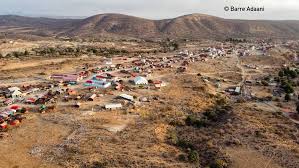
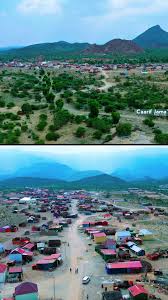
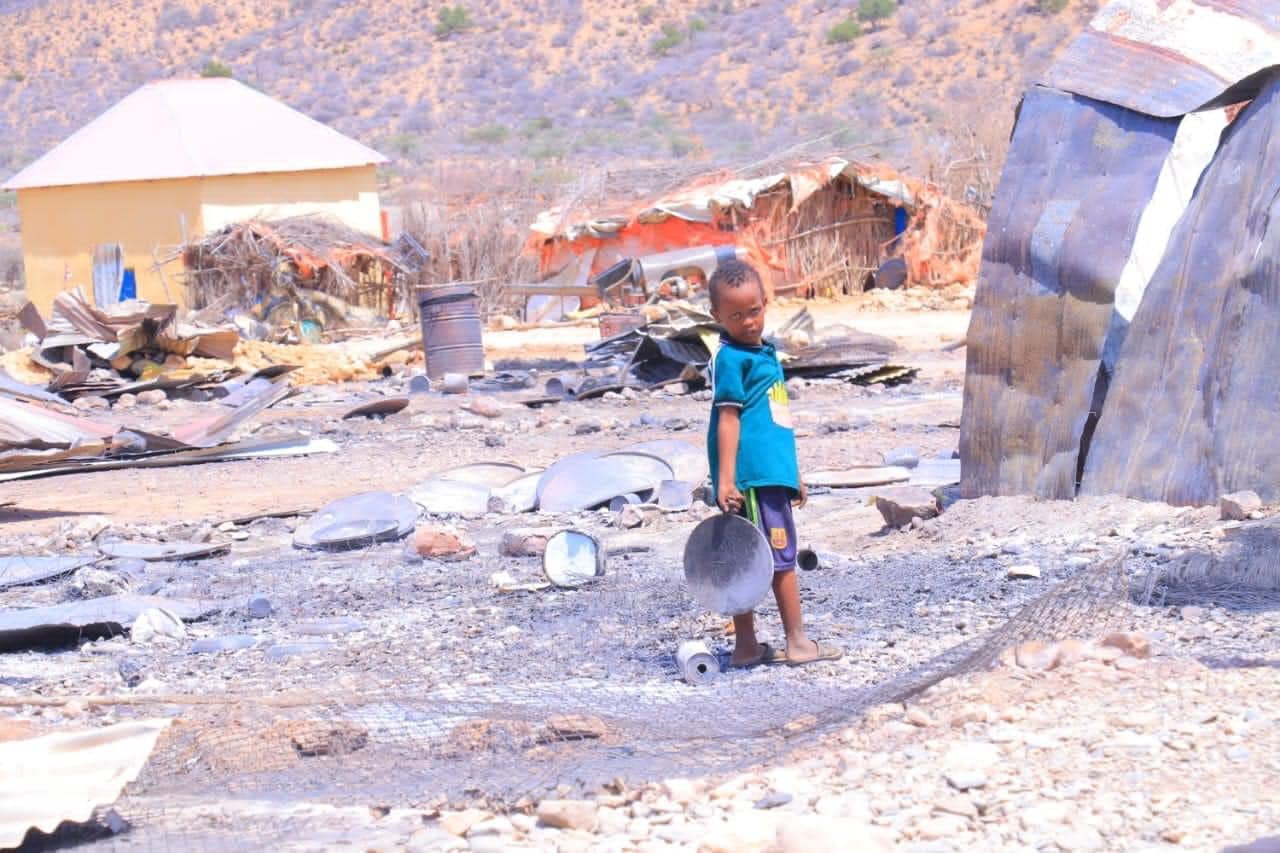
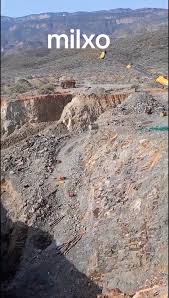
Images Showing Imense Environment Destruction.
Testimonies from Community Leaders and Local Residents
Testimony 1 – Garaad Abdi, 43, Community Elder, Milxo
“For many years, our community has relied on livestock and the grazing lands surrounding Milxo. Since the mining activities began, large areas of pasture have been destroyed, and some of our traditional water sources have become polluted. Our lawyer has repeatedly visited our community, listened to our concerns, documented the environmental damage, and explained our legal rights. Without his support, our voices would never have reached national or international organisations.”
Testimony 2 – Halimo Jama, 37, Women’s Community Leader
“The lawyer (I. A., …) has worked closely with women in our villages, helping us understand how environmental destruction affects our families. He organised discussions about our rights to clean water, healthy land, and community participation. He has always encouraged peaceful advocacy and respect for the law. Because of his work, many women have become more confident in speaking about environmental justice.”
Testimony 3 – Bashir Gure, 39, Pastoralist Representative
“Our livestock depend on the grazing lands around Milxo. Since mining expanded, many grazing areas have disappeared, forcing families to travel much farther in search of pasture and water. The lawyer documented these losses and raised them with civil society organisations. He has consistently defended the interests of pastoral communities despite increasing pressure.”
Testimony 4 – Suad Xusen, 25, Youth Leader
“I have worked with the lawyer (I. A., …) during several community awareness meetings. He explained the environmental risks associated with unregulated mining and the importance of protecting our natural resources for future generations. He has always promoted peaceful dialogue and legal solutions rather than confrontation.”
Testimony 5 – Farax Guled, 32, Local Environmental Volunteer
“Our lawyer (I. A., …) visited affected mining sites on several occasions to observe environmental conditions. He collected information about damaged land, polluted water sources, and the impact on local communities. His reports accurately reflected what we witnessed on the ground.”
Testimony 6 – Garaad Omar, 47, Village Chief
“The lawyer (in ditto) has earned the trust of our community because he has consistently defended our rights without seeking personal benefit. He has documented illegal mining activities, listened to affected families, and advocated for environmental protection. We know that his work has exposed him to risks, yet he has continued to support our community.”
Testimony 7 – Sakiya Sacad, 27, Community Representative
“Many families have been affected by the destruction of grazing land and declining water quality. The lawyer has helped us communicate these concerns to authorities and civil society organisations. His commitment to justice and environmental protection has given our community hope.”
Testimony 8 – Ahmed Ali, 35, Civil Society Partner
“Our community in Milxo is under the full invasion of foreigners mining gold illegaly and destroying our environment and displacing entire communities, and the local authority is turning blind to this devastating problem, apart from the drone attacks targeting our community members.”
Economic Consequences
Somalia’s mineral resources represent an important national asset. However, illegal extraction undermines opportunities for sustainable economic development.
CSHRD identified concerns regarding:
Illegal exploitation of mineral resources;
Loss of government revenue;
Weak regulation of the extractive sector;
Limited transparency in mineral licensing;
Reduced economic benefits for local communities;
Unsustainable use of natural resources.
The continued misuse of mineral wealth limits its contribution to national development while imposing significant environmental and social costs.
Governance Challenges
The situation in Milxo reflects broader institutional challenges affecting the extractive sector.
These include:
Weak enforcement of environmental regulations;
Inadequate monitoring of mining activities;
Limited environmental impact assessments;
Insufficient public participation;
Weak accountability mechanisms;
Limited transparency in resource governance.
Strengthening these institutions is essential to ensure responsible resource management.
Recommendations
Federal Government of Somalia
Strengthen environmental and mining legislation.
Improve monitoring and enforcement of mining regulations.
Investigate allegations of illegal mining.
Ensure transparent management of mineral resources.
Require environmental impact assessments before mining operations begin.
Puntland Authorities
Monitor mining operations to ensure compliance with environmental standards.
Protect community land rights.
Restore degraded mining sites.
Prevent pollution of water resources.
Promote meaningful consultation with affected communities.
International Partners
Support institutional capacity-building in environmental governance.
Promote responsible investment in the mining sector.
Support environmental monitoring and land restoration initiatives.
Encourage transparency and accountability in natural resource management.
Conclusion
The findings of this report demonstrate that illegal and poorly regulated mining in Milxo is creating significant environmental, social, and economic challenges.
Environmental degradation, water pollution, destruction of grazing lands, displacement of local communities, and the misuse of Somalia’s natural resources threaten sustainable development and the livelihoods of future generations.
CSHRD urges Somali authorities, regional administrations, civil society, and international partners to work together to strengthen environmental governance, protect affected communities, restore damaged ecosystems, and ensure that Somalia’s mineral wealth is managed transparently, responsibly, and for the benefit of all its people.
By CSHRD Monitoring Team
For press contact: info@cshrds.org